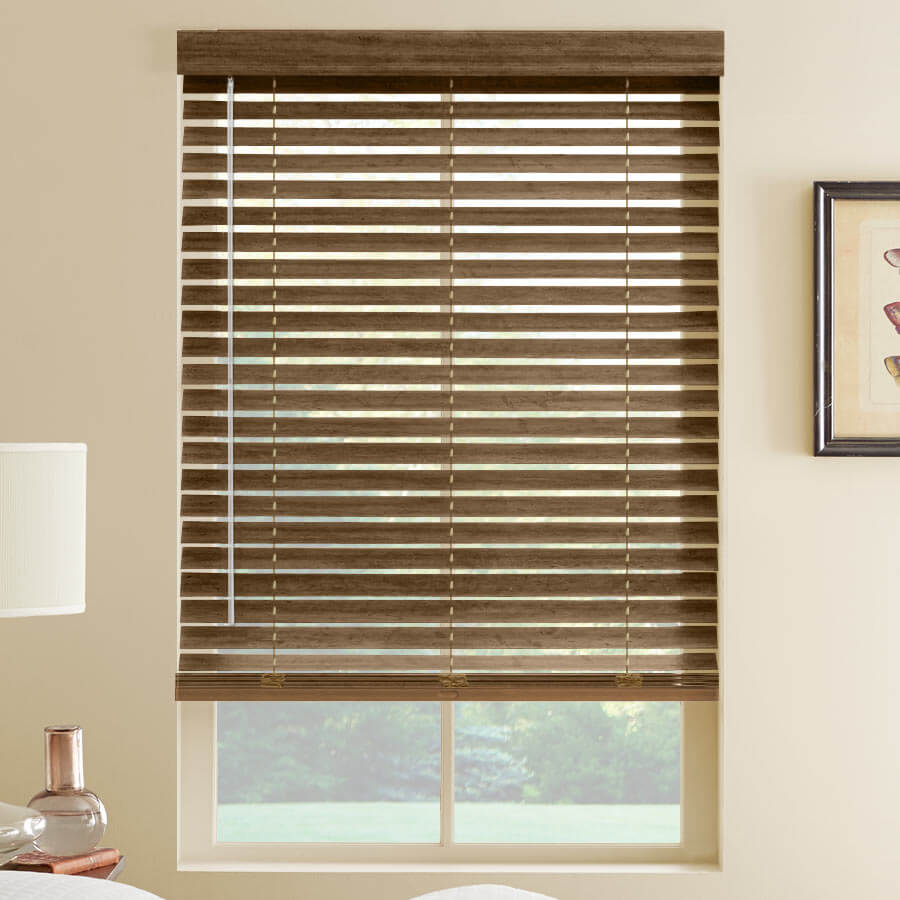
Choosing Blinds in Australia: Key Things to Know
Wiki Article
Safe & Secure: The No-Negotiables Of Child-Safe Blinds In Australia
In the pursuit of a perfect home, safety should always be the primary consideration, not an added-on consideration. It is crucial that window furnishings are installed correctly. In Australia, the stark fact is that looped or loose chain and blind cords pose an unnoticed strangulation hazard to babies and children. The safety standards for the nation aren't just guidelines; they're a legally-enforceable plan for prevention. Knowing the standard for mandatory safety is the most crucial aspect of the buying process. Let's look at what real child safety means within the Australian Blinds Market, moving beyond buzzwords to practical life-saving knowledge.
The Australian Competition and Consumer Commission (ACCC) enforces a stringent mandatory standard for all internal corded window covers. The standard came about because of a tragedy and is designed to eradicate any potential hazards at their source. The core mandate of the standard is simple. Any new curtain or blind you purchase must include critical safety equipment installed, or be wireless. The requirement does not only just apply to the product. It is also applicable to the installation instructions. Importantly, conformity is solely the obligation of the installer or the supplier. Your authority as a buyer lies in your ability to recognize and demand what you need.
What exactly does compliance actually look like? Solutions fall into three distinct categories, each with distinct strengths.
Cordless or motorised designs is the first gold standard. This is the most complete removal of risk. Cordless roller or panel blinds operate by means of the soft push-pull mechanism or a ratchet with a side-winding feature. Motorised blinds that can be controlled by smartphone or remote are convenient and secure at the highest levels. While they are more costly, their peace of mind and safety are well-worth the price. If you own a space where your child sleeps or plays, this is the first thing to consider.
Second, Compliant Cords/Chains with Safety Devices. If a chain, cord or any other component that is functional is employed, such as Venetians vertical blinds, Venetians, and similar items, the norm requires that safety features are built-in. It is recommended to look for tension devices at minimum. It is a cleat or similar fixture that is permanently connected to the wall, frame for windows or both. The cord should be tightly wrapped around the fixture, and secured following each adjustment. It is important to keep the cord in a short and tight. Don't ever make a knot that is loose. The safety tassel, also known as a breakaway connector is a key feature. It's a tiny device that is integrated into the cord and designed to break a dangerous loop when pressure is applied. It's a failsafe that is vital. The blinds must be pre-installed, and they must also be taught how to use by the installer.
Third, the crucial importance of Professional Installation. Here is where most well-intended security measures fail. Making a blind compliant in the wrong way could result in a hazard. Professional installers, trained in standardization, know precisely the best place for tension devices to be positioned: away from the children's reach and at a minimum 1.66 metres over the floor. They ensure that the cords are cut to the proper length, the minimum. The blind should be secured firmly to prevent it from being pulled down. The installer must demonstrate how to operate the blind as well as maintain safety devices. No matter how handy or knowledgeable you may be, it's possible to miss these vital but important steps.
If you're talking to a service that installs blinds, your dialog should be proactive. Don't just ask "Are blinds child safe?" Asking "Are they safe for children?" is a question that's too often used in a vague manner. Instead, ask specific questions like: "Can i see which safety features are fitted on the device to ensure compliance with AS/NZS 6335.2.7?" Do you think your installer will permanently attach any tension devices on the wall, and demonstrate their use? If there is a cable and it is a long one, what will be the maximum length it can be when properly stored? Does the cord have an escape safety tail? A reputable company is going to welcome your questions and provide straight, confident answers. Be cautious of any vendor who is vague, dismissive or suggests that supplying a separate cleat is sufficient to satisfy.
It's also crucial to take into account your existing blinds. It's mandatory to consider new ones, however there are homes across the country that pose risk. The cords from blinds that are old should be replaced as soon as they are installed. Window Covering Council of Australia, and other major hardware stores, offer free retrofit security kits that include cleats. This is a simple to do on a weekend. Change the way your room is laid out. Don't put a high chair, cot, playpen or any other furniture that children could climb on close to a window, especially if a cord is attached to a blind. Entanglement can happen suddenly and in a quiet manner.
The selection of child-safe blinds in Australia boils down to the conscious act of consumption. It is important to examine the fabric in detail and inquire about the way that blinds function. It means that you should value the knowledge of the supplier on standards as much as their color range. It recognises that the cheapest option could have a hidden price. The standard is mandatory and provides an enduring framework, however the effectiveness of this standard is dependent on a well-informed choice and a proper installation.
Investing into blinds that meet the safety standards of all countries is an effective method to create a safe atmosphere. This allows you to have the desired style and control of light, and also knowing that you've removed a potential danger. The windows you have are transformed into a security risk and a safe background for the growth of your family. The answer is simple that it is cordless and compliant. do not interfere with the quality of installation. Your children's safety quite literally hangs in the in the balance. Read the most popular blinds for more tips including exact fitting blinds, local blinds, blinds order online, blinds you, aus blinds, blinds prices, cheap blinds direct, austral blinds, get blinds, local blinds and more.

The Invisible Shield – Why Australian Standards Should Be Your Buying Guide
Blinds are a crucial part of the aesthetic appeal of your Australian home. But interspersed throughout that decision are a swath of law, engineering and a commitment towards safety you likely never see. This framework is Australian Standards, a collection of compulsory and voluntary rules which govern everything from a cord's strength to the fabric's fire resistance. Compliance is not a mere technicality for the consumer. It is a fundamental guarantee that the products you use in your house have been tested and built to withstand the unique demands placed upon them by our society and environment. This is the line that differentiates an item from one that's only sold.
The Australian Competition and Consumer Commission's (ACCC) mandatory standard for corded inside window blinds is among the most significant. This isn't a norm, but an act of law. It is based upon tragic events. The aim is to reduce the risk of strangulation in children. In accordance with the norm, all new corded shades must come with safety devices already in place. Included are tensioners, which are required to be installed permanently on the wall to maintain the blinds' cords in a taut condition as well as breakaway safety mechanisms. Crucially, the standard details how a product must be installed to be compliant--instructions that must be provided with the product. A blind with a cord isn't equipped with these features built in or that advises you to add them later is not compliant. Motorised or cordless products are more secure for the user and meet the standards' ultimate objective.
Other Australian and New Zealand Standards, (AS/NZS), inform the quality and performance of a product. Although they're not typically necessary for sales however, the usage of these standards by reliable manufacturers suggests that the product is constructed to meet a standard. One of the most important is AS/NZS 60335.2.97 which is the standard of household safety standard for blinds that specifies standards for operation, durability and safety for various blind styles. The standard is designed to test things like the amount force required to operate a control. It makes sure that the control is not too tight so it strains components, or it's too loose so it works unpredictably. It evaluates the strength and durability of the adhesive tapes and ladders used in venetian and vertical blinds. The product that satisfies the requirements has been examined in a laboratory for a long time that is a reliable indication of its longevity in your home.
AS/NZS 1530.3, for example. This covers fire protection. While it is not essential for the majority of homes, it is required in some multi-residential structures, like hotels and apartments. Senior care facilities and other structures that have multiple residents may have special fire-risk properties. In these settings blinds may be required to use fabrics that have passed strict tests of smoke and flame propagation or are not combustible. When selecting a blind, one that is rated as fire-safe is an indication of better materials, which are often more resistant to heat and have a lower likelihood of spreading flames rapidly.
Australian standards for performance of materials are essential. Standards exist for UV degradation as well as colorfastness. They test the ability of fabrics to stand up to the intense sunlight of Australia. Fabrics that are certified to meet the relevant UV standards has been shown to resist fading and physical degradation for a defined period in simulated Australian conditions. Check for AS/NZS4388, which is a standard for the performance of outdoor fabrics. Standards for anodising, powder coating and aluminium parts are crucial particularly in coastal areas. They ensure that the finishes are resistant to corrosion caused by salt spray. This is not about ensuring safety from injury but rather safety against premature failure of the product. It is a guarantee the product will work and appear as it was designed for years after its installation.
As buyer How do you confirm the compliance of your purchase? Passive acceptance is replaced by active inquiry. Question suppliers directly: "Can you confirm this product and the installation is fully in line to ACCC's obligatory corded blind standard?" "Does this fabric/component have test certification against the relevant Australian Standard for UV stability/fire performance/coastal durability?" Reputable suppliers will not be affronted by these questions; they will consider them evidence of a knowledgeable buyer. The supplier must be able prove compliance with the standard with the standard, including manufacturer's statements. Be wary of products that don't mention Australian Standards, especially those that are purchased on the internet. They are designed to serve a general international market, and not the Australian regulatory and environment requirements.
The importance of this due diligence extends beyond the front door. Non-compliant products can pose a serious safety threat, and could cause your homeowner's insurance to be invalidated in the event that the product is determined to be the cause of an accident. These products also fail more quickly than anticipated and leave you with no recourse if you have a warranty claim. It is a good idea to choose a product that is tested and approved by a local business. Your purchase should help the safety and security and not harm your home.
Australian Standards, in the end, are a unified agreement on security and quality. They are the result of the collective expertise of professionals from the industry, engineers, safety experts, who strive to determine "fitness to serve" within the Australian home. If you buy a product compliant with the guidelines, you don't purchase blinds. You are buying the confidence that every material has been carefully considered, every mechanism inspected, and each known hazard designed out. Compliance with Australian Standards, in a market flooded by alternatives, is the only way to differentiate between market-ready and ready-to-use products. The invisible shield lets you relax and enjoy the view.